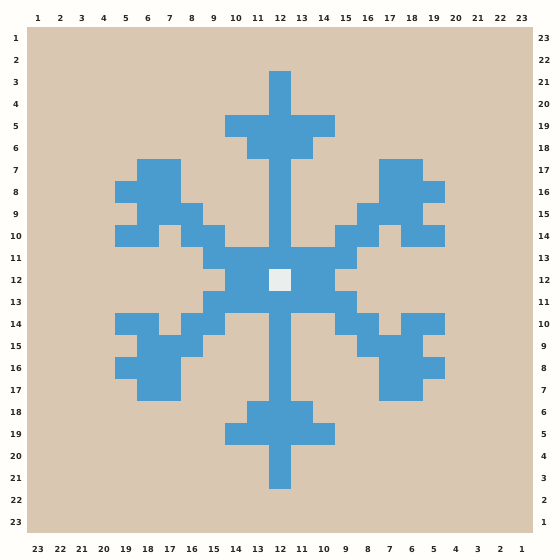
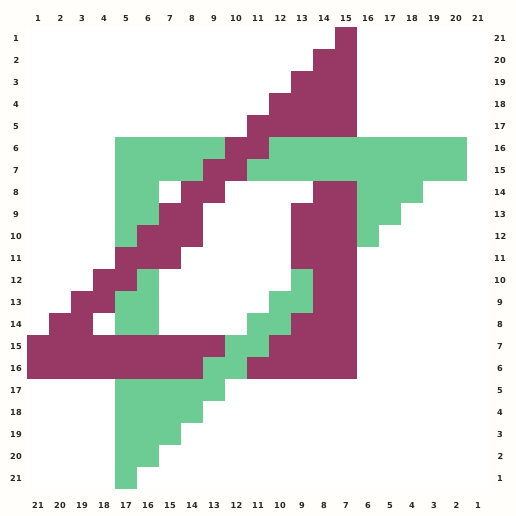
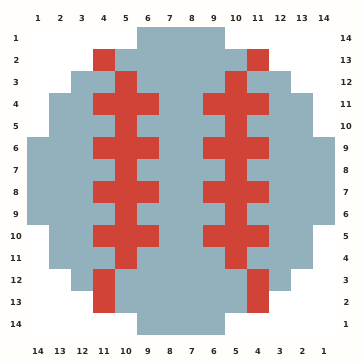
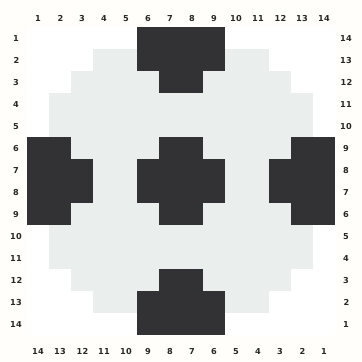
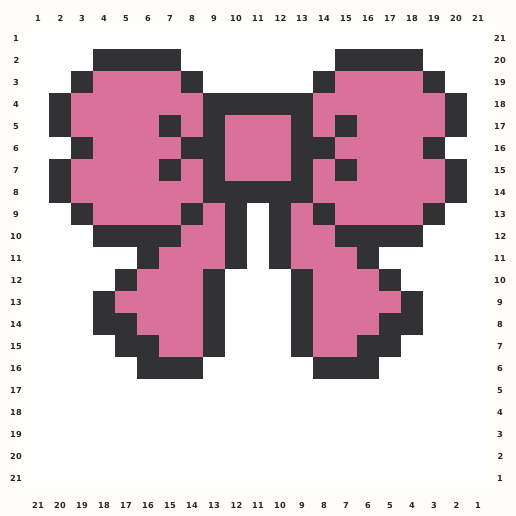
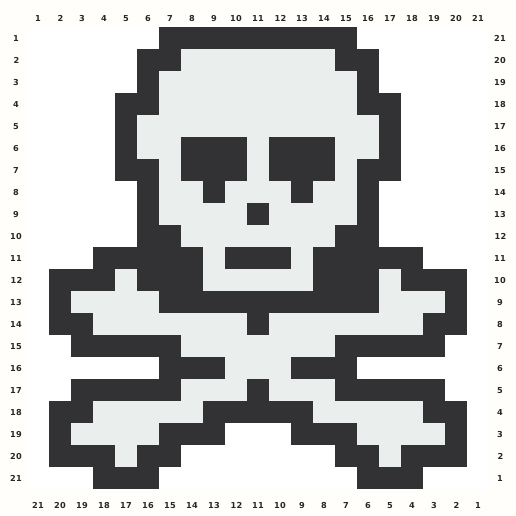
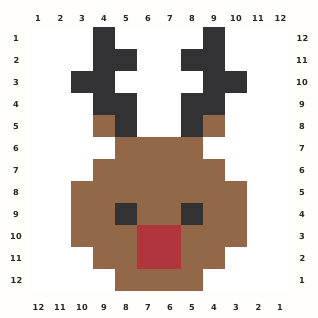
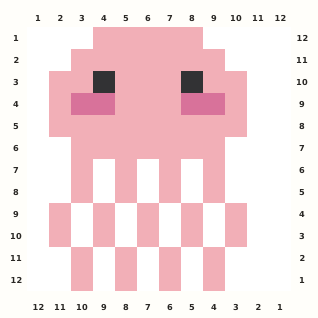
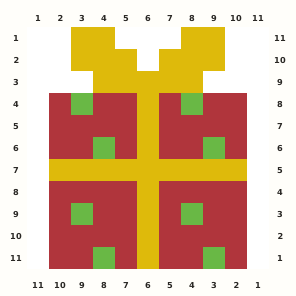
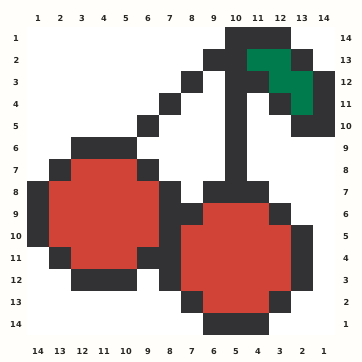
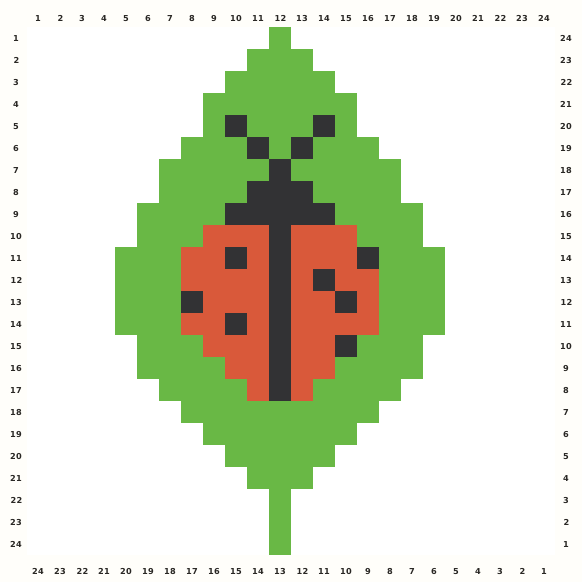
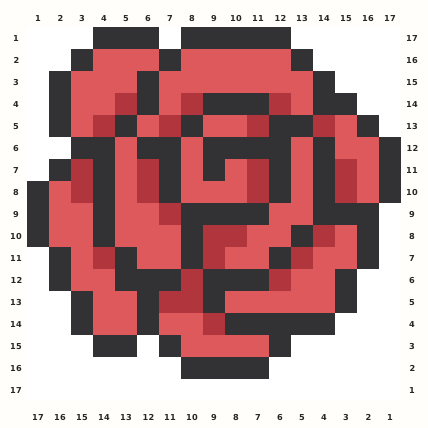
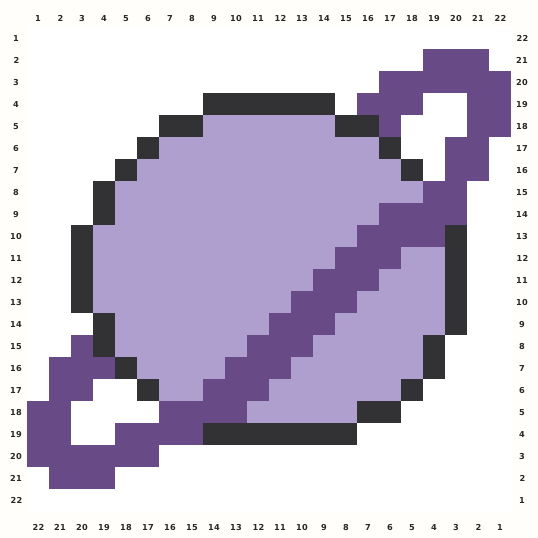
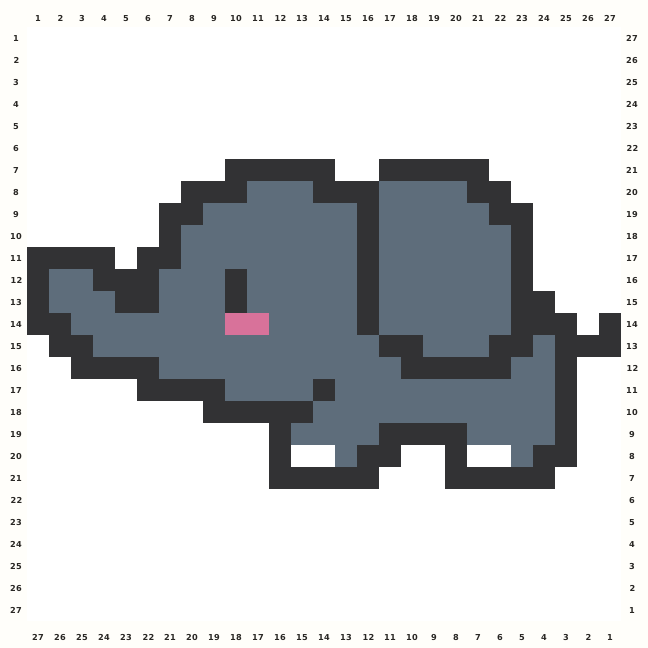
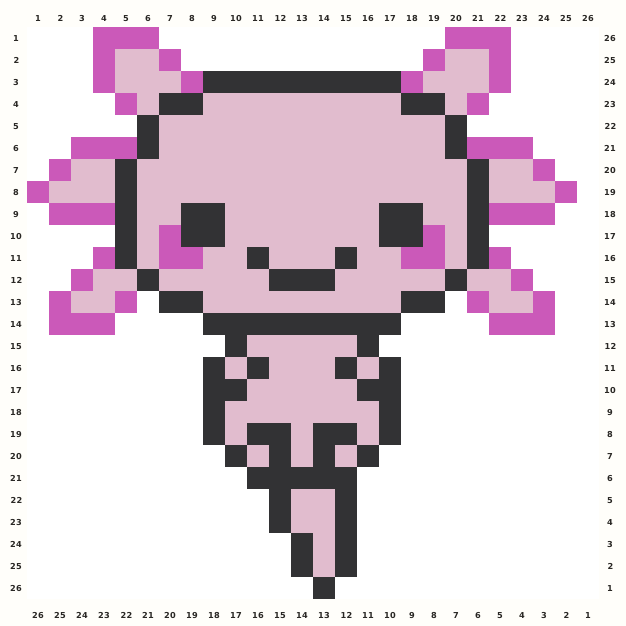
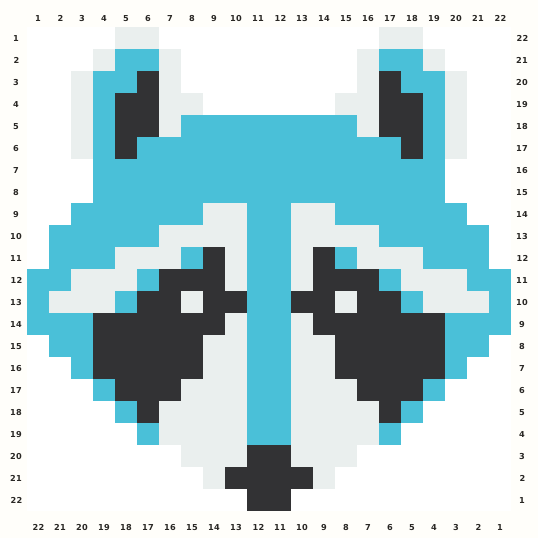
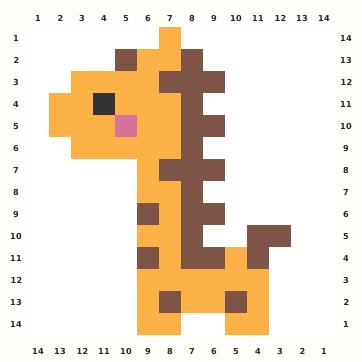
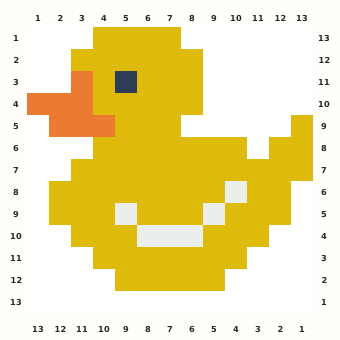
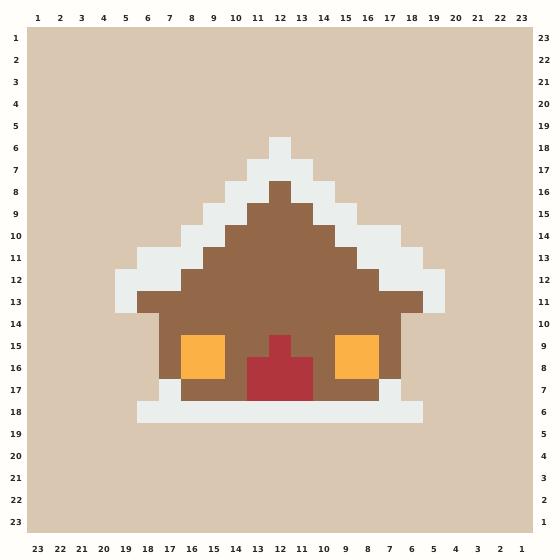
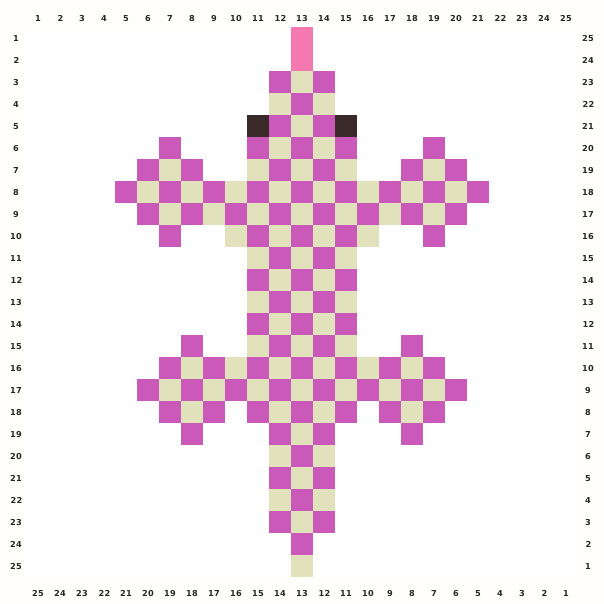
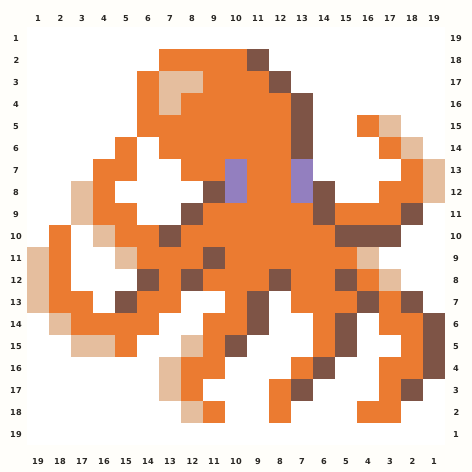
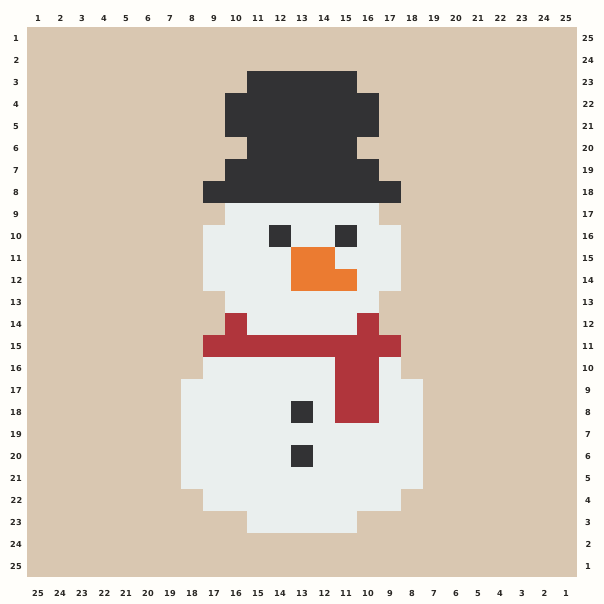
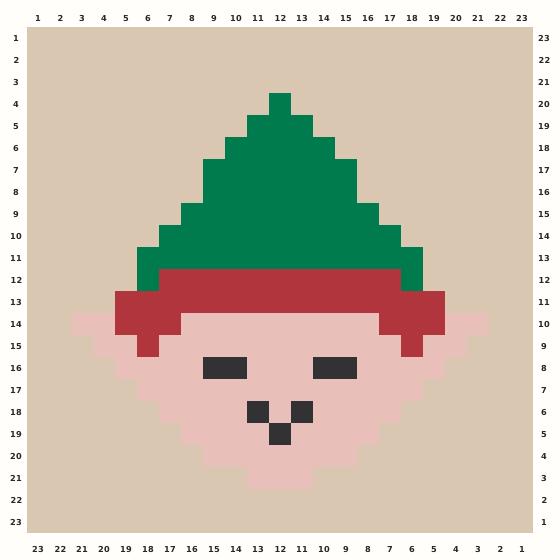
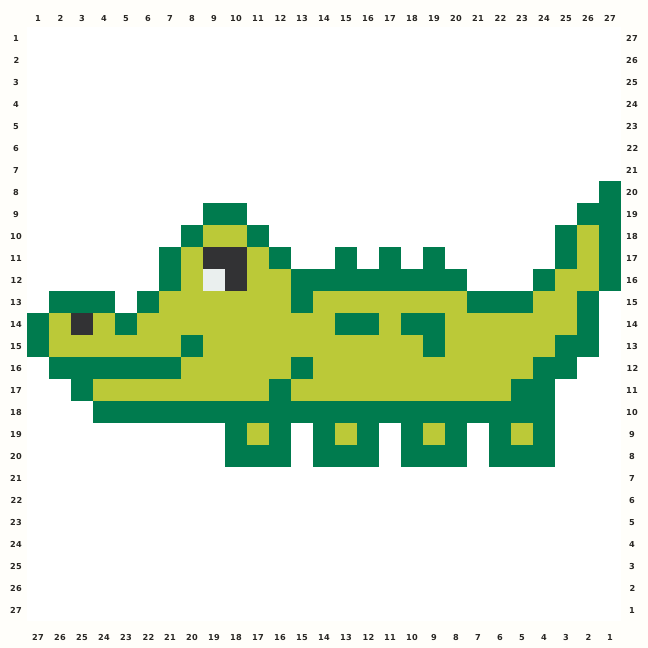
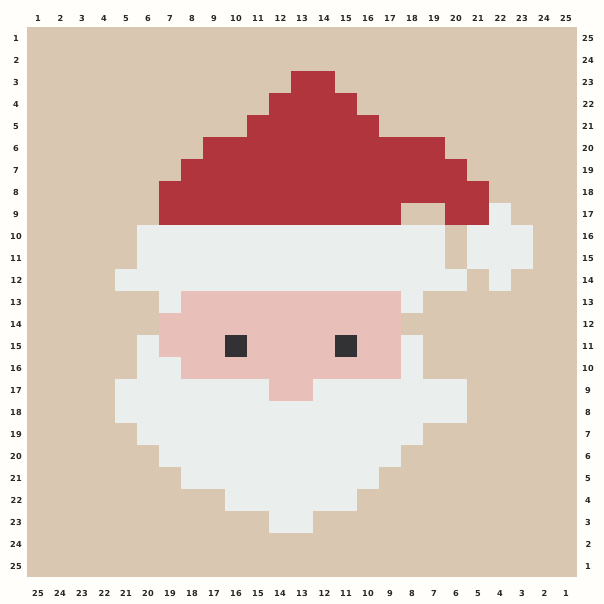
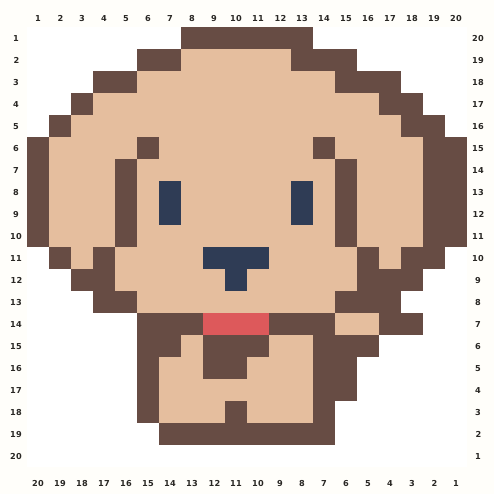
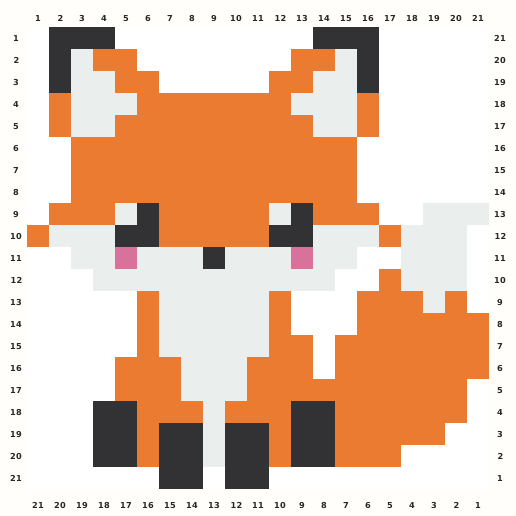
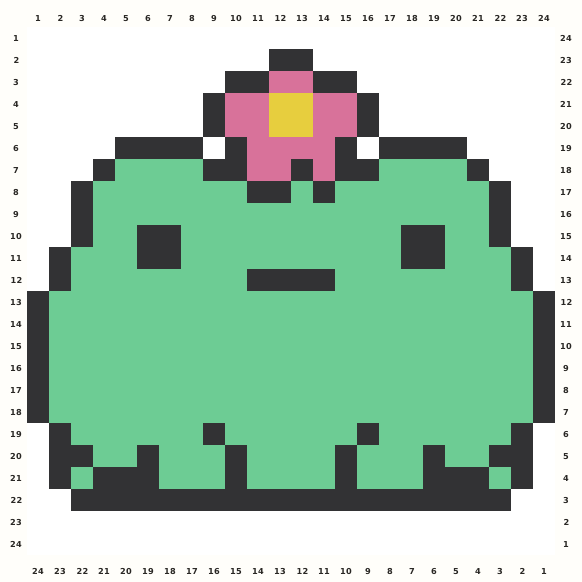
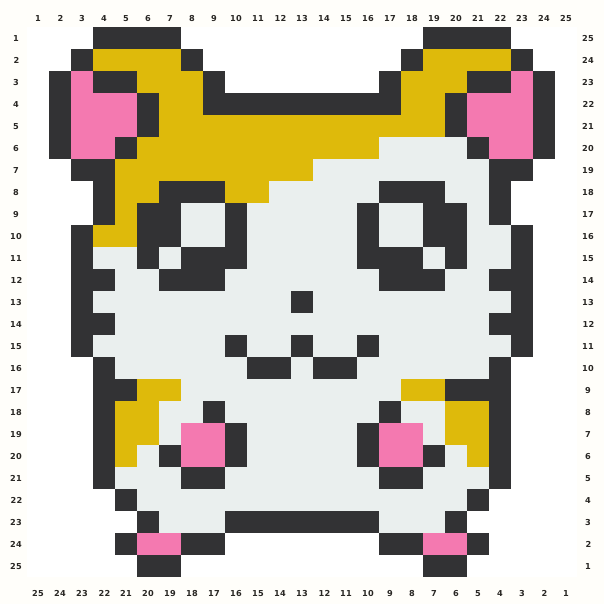
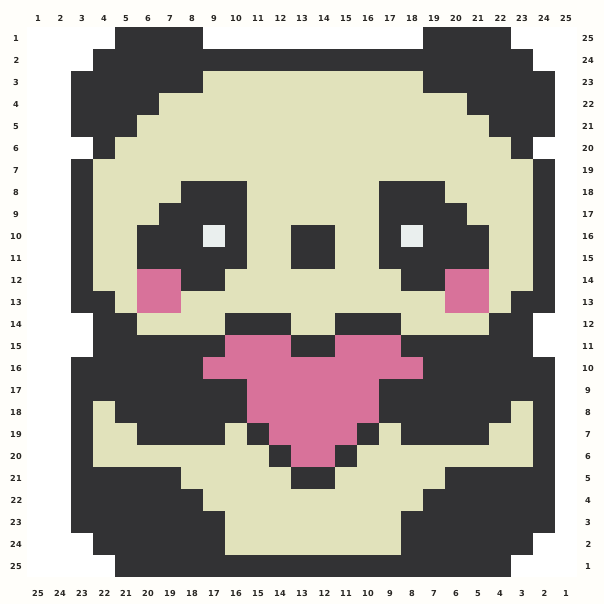
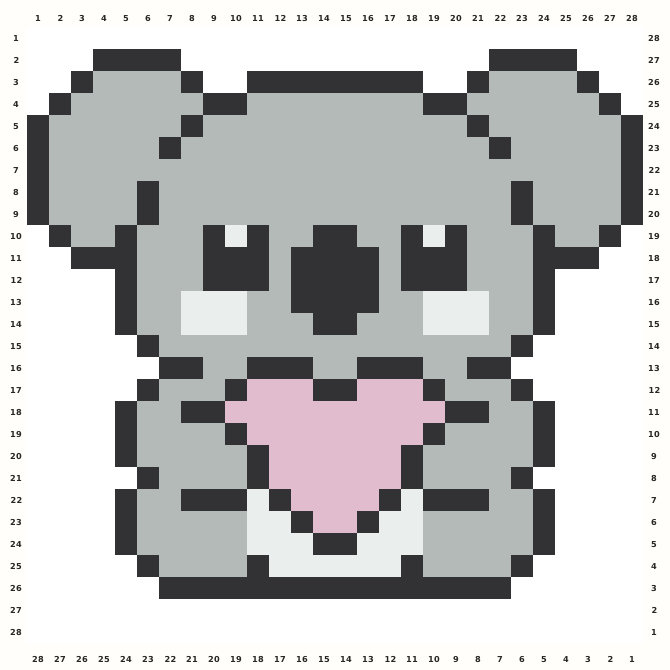
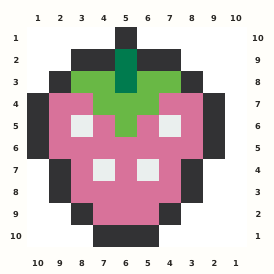
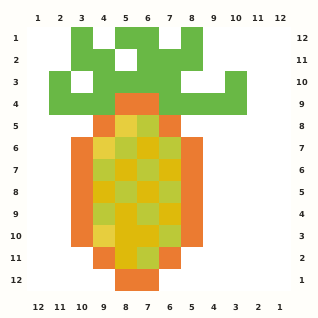
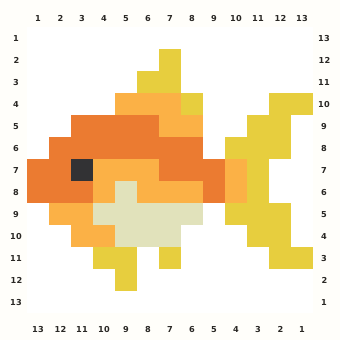
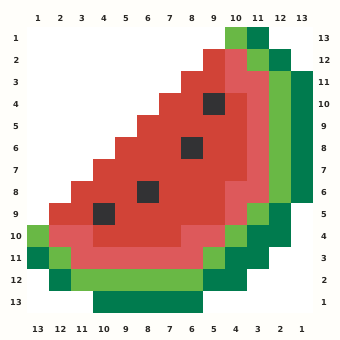
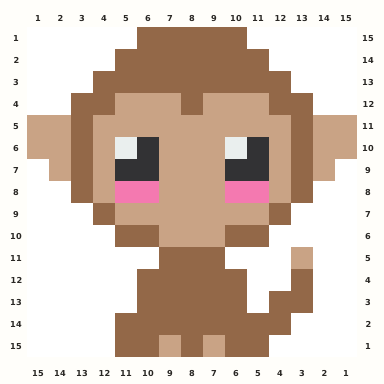
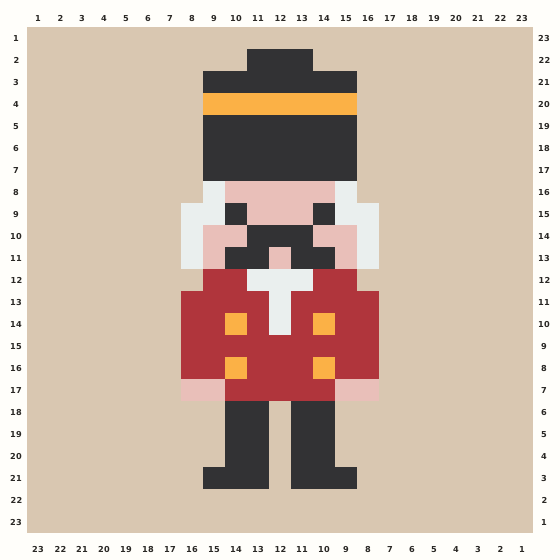
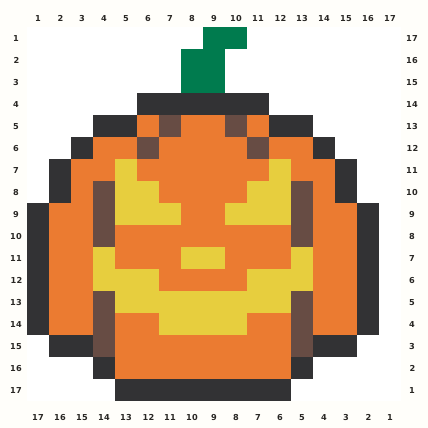
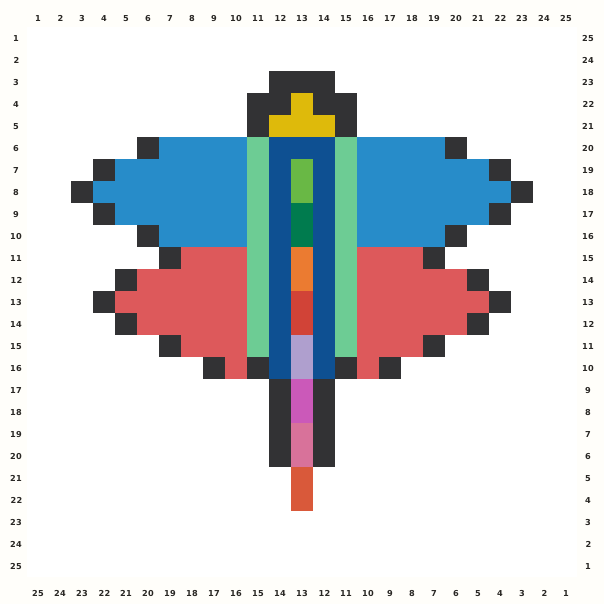
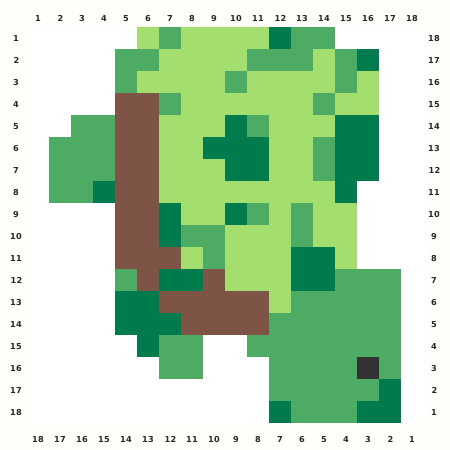
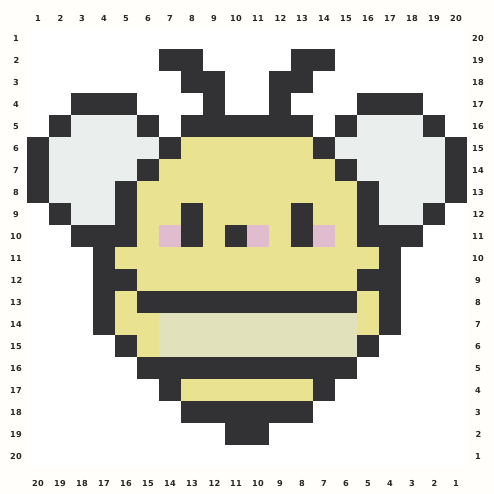
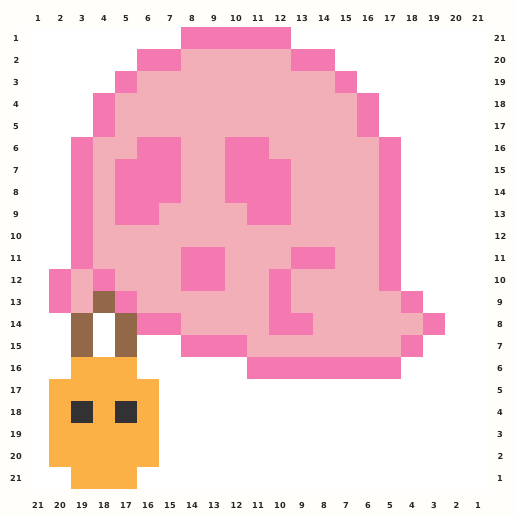
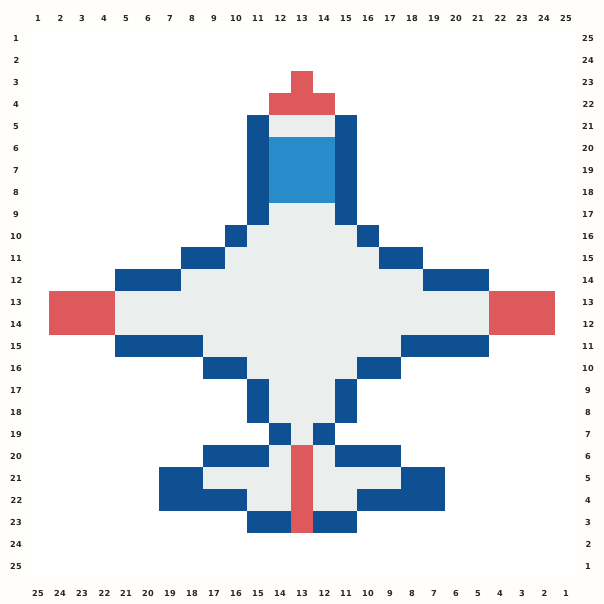
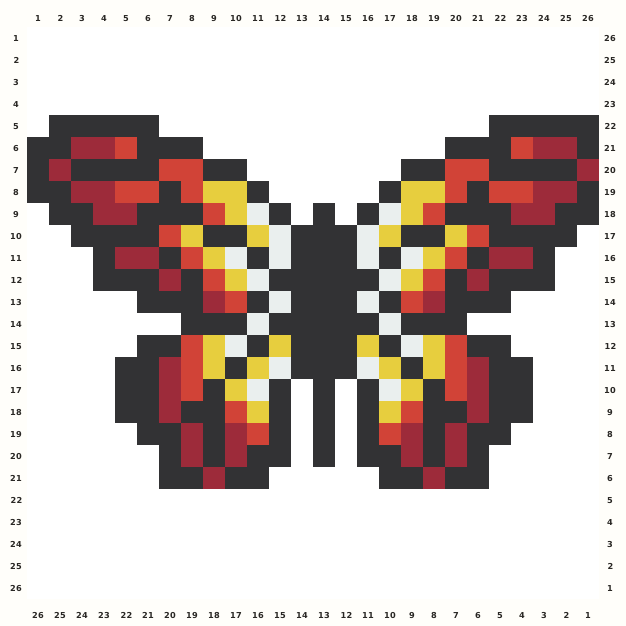
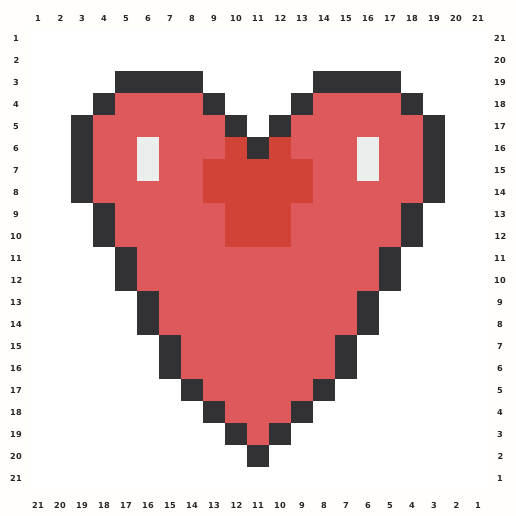
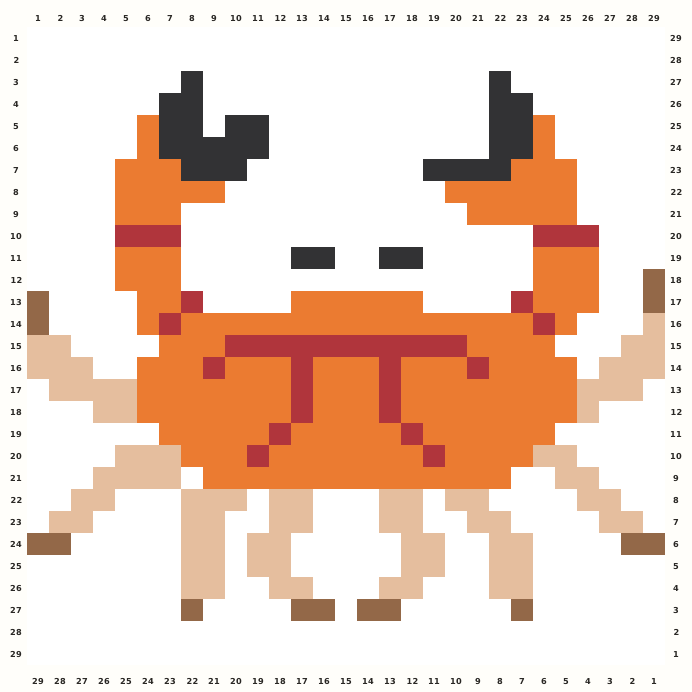
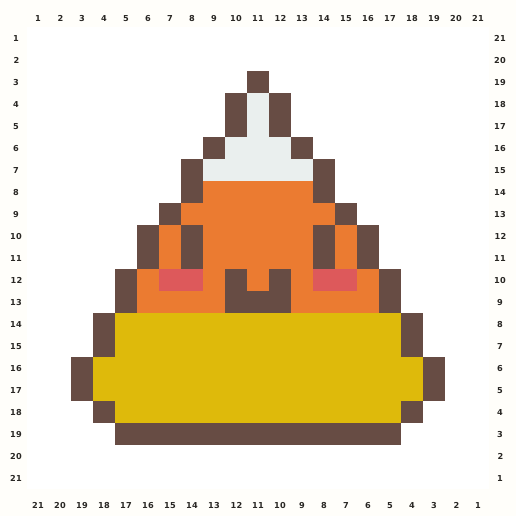
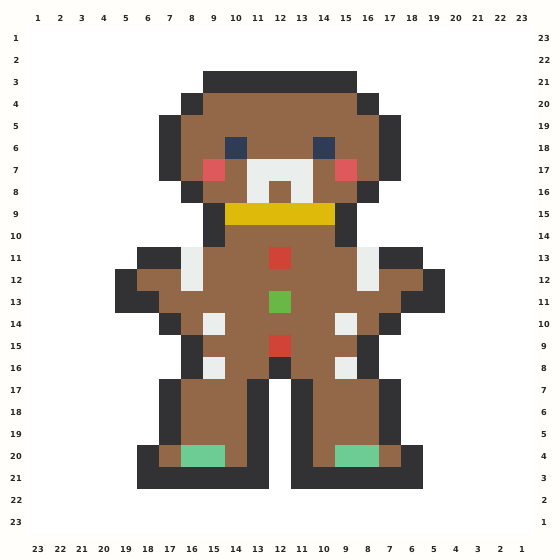
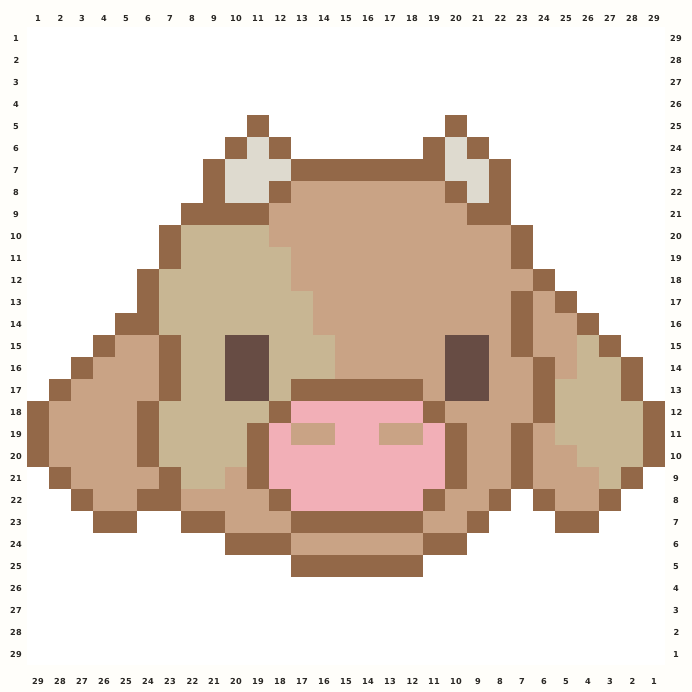
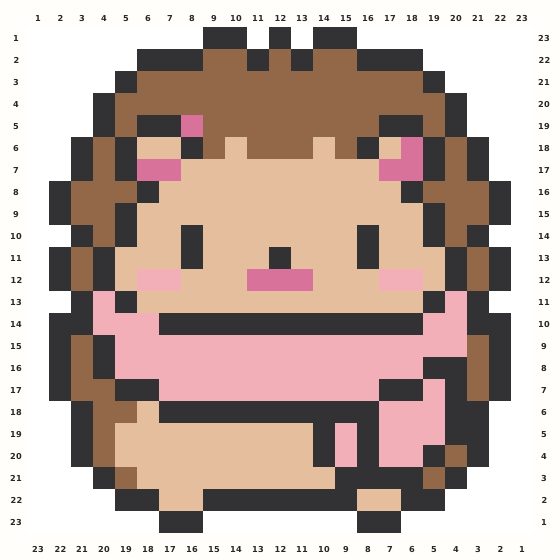
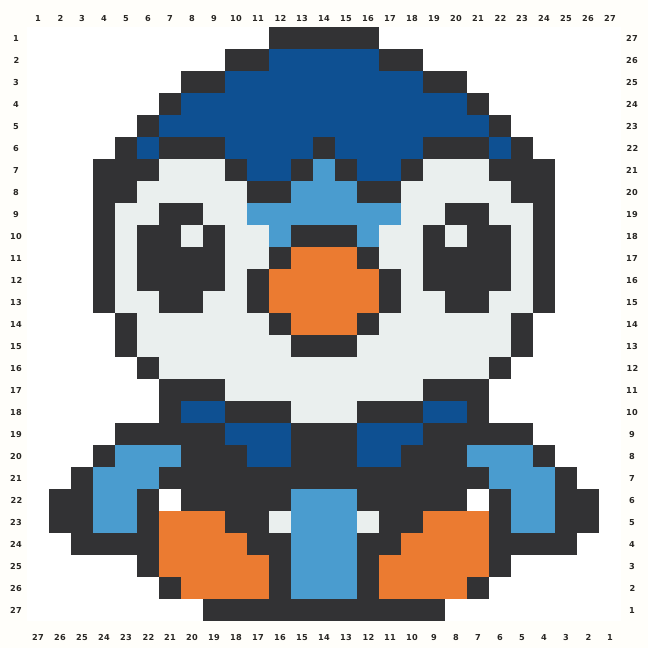
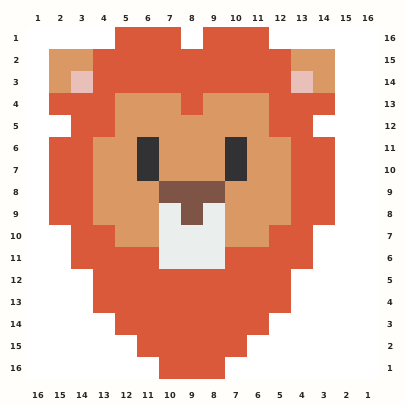
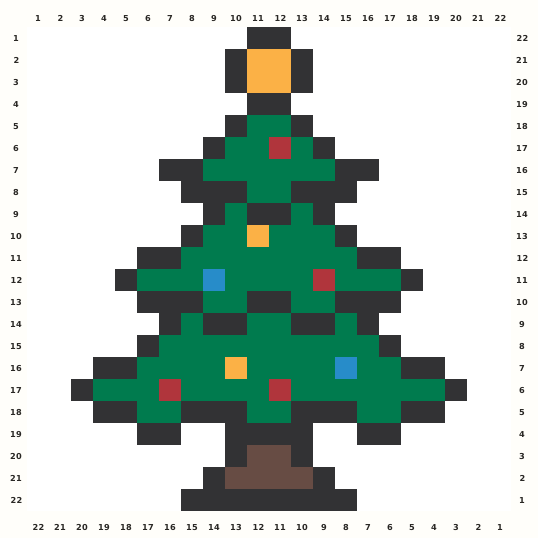
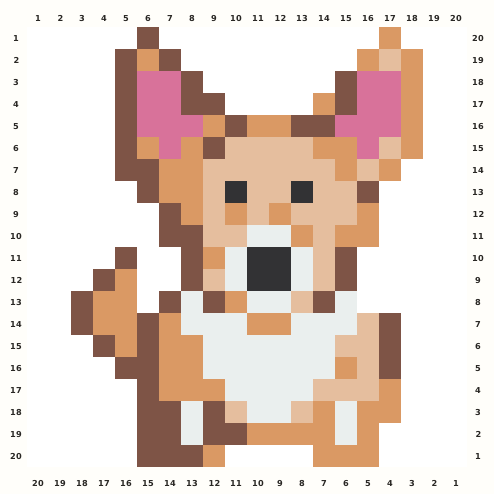
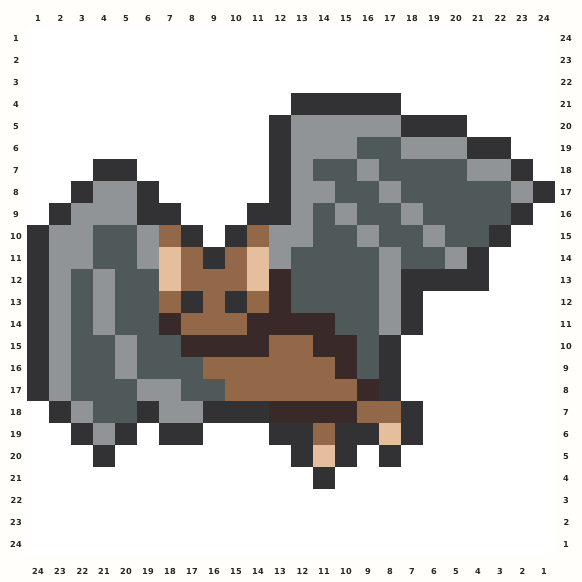
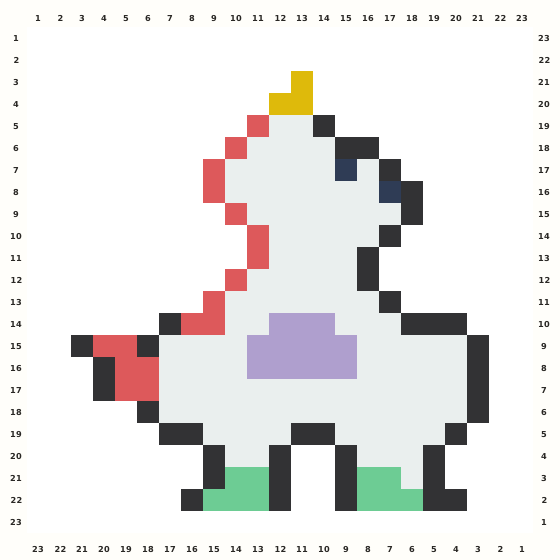
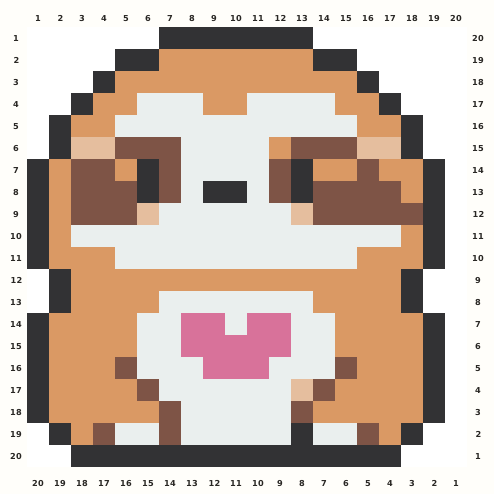
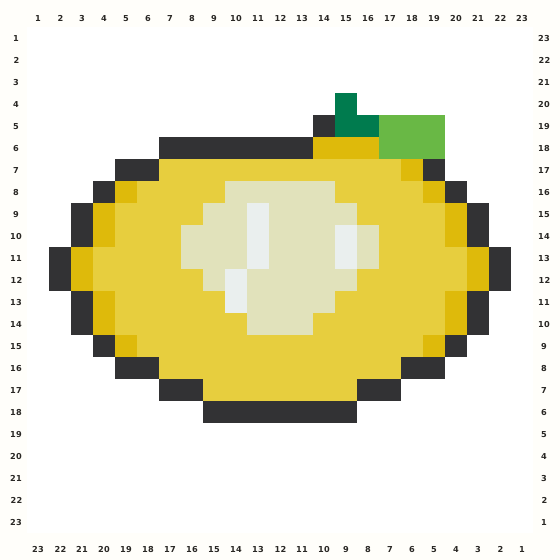
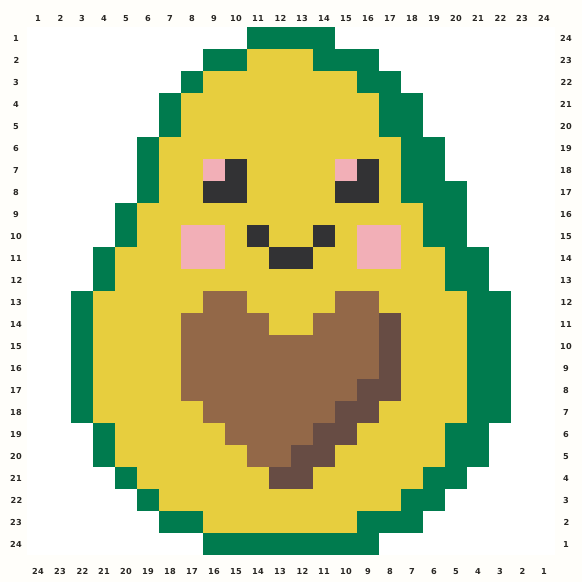
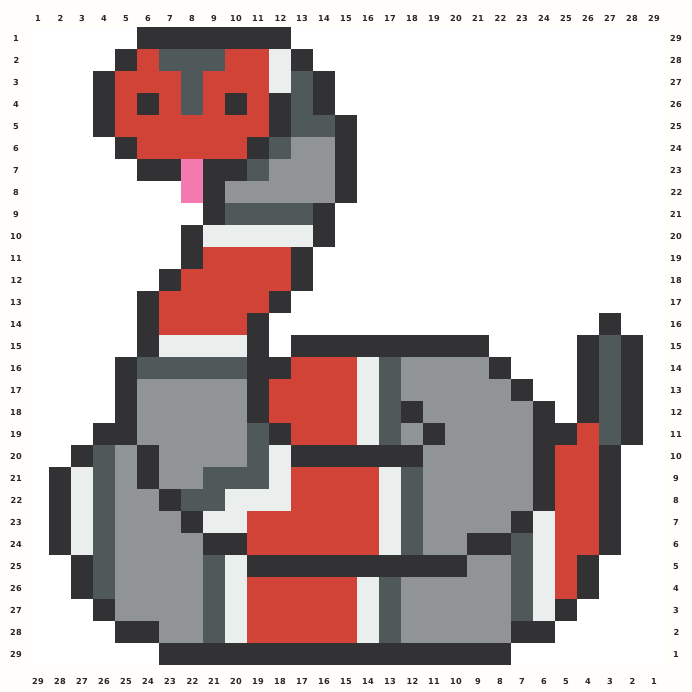
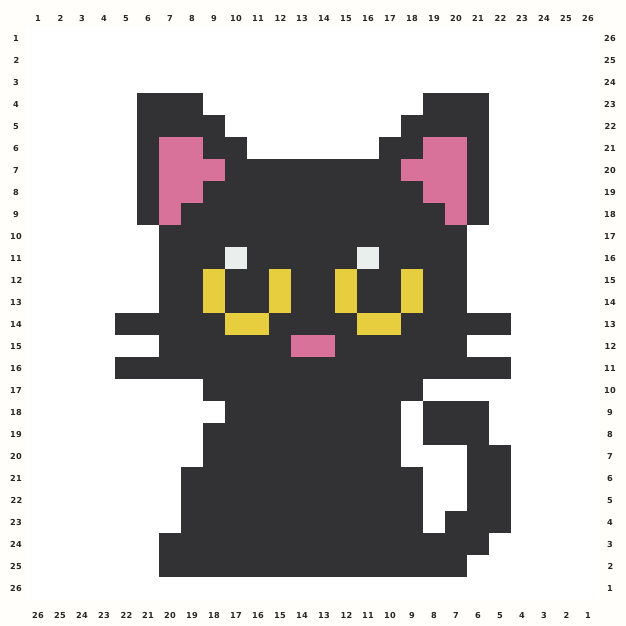
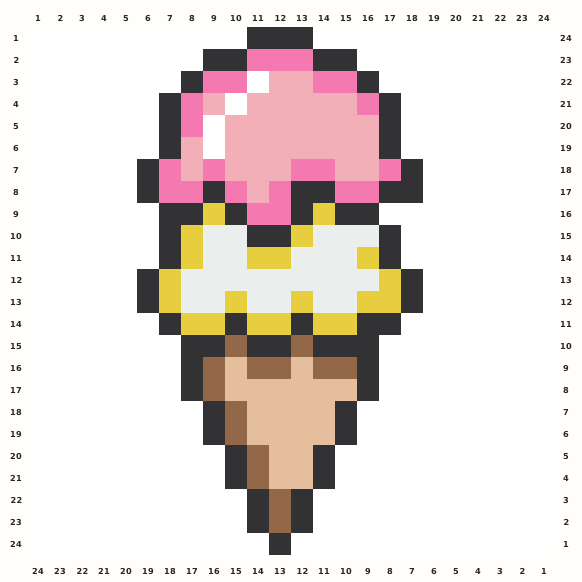
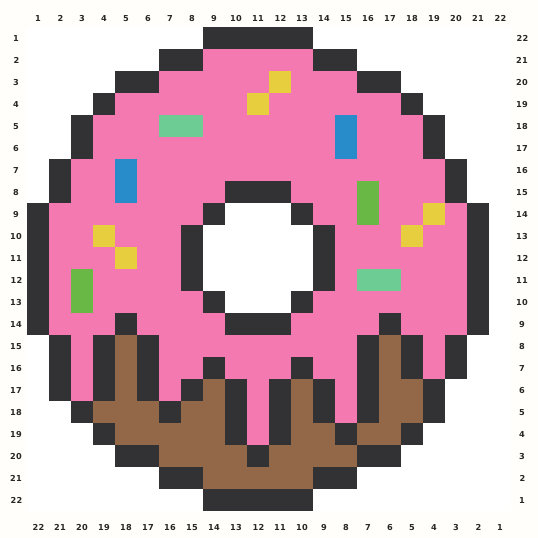
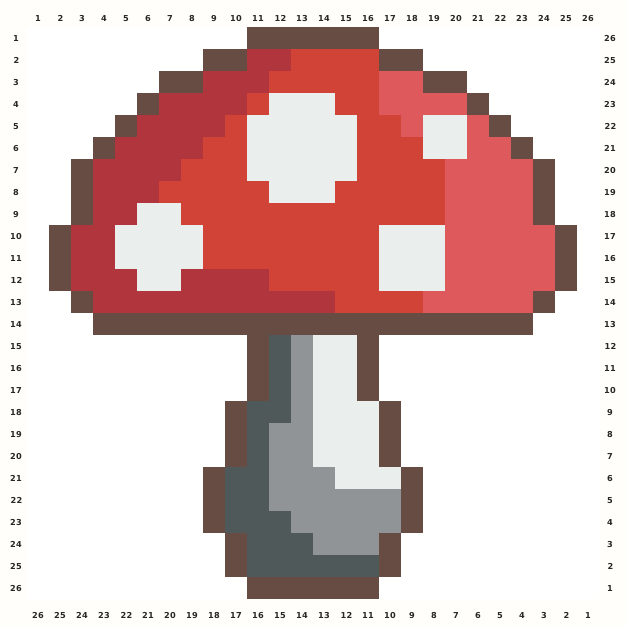
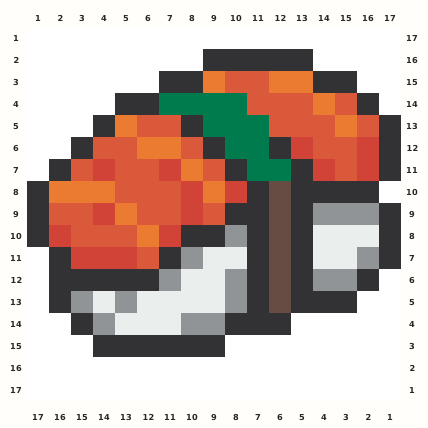
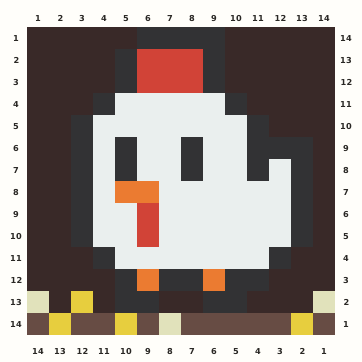
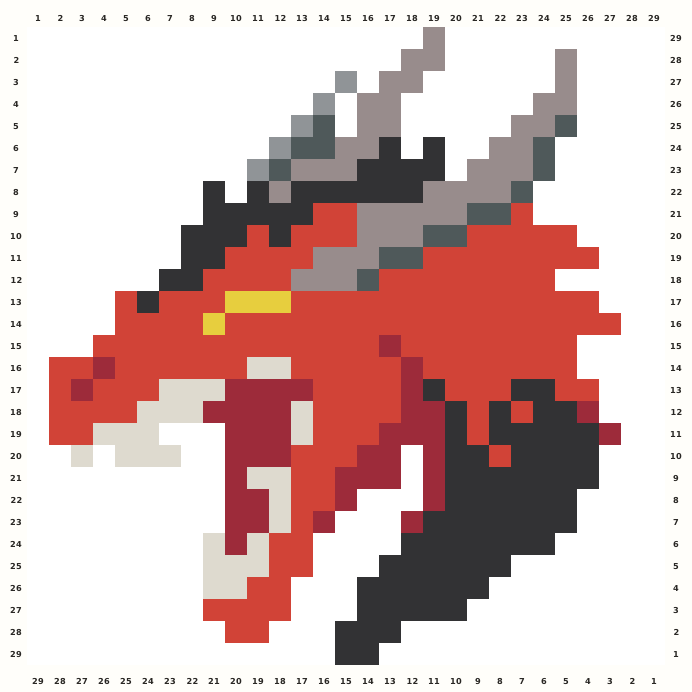
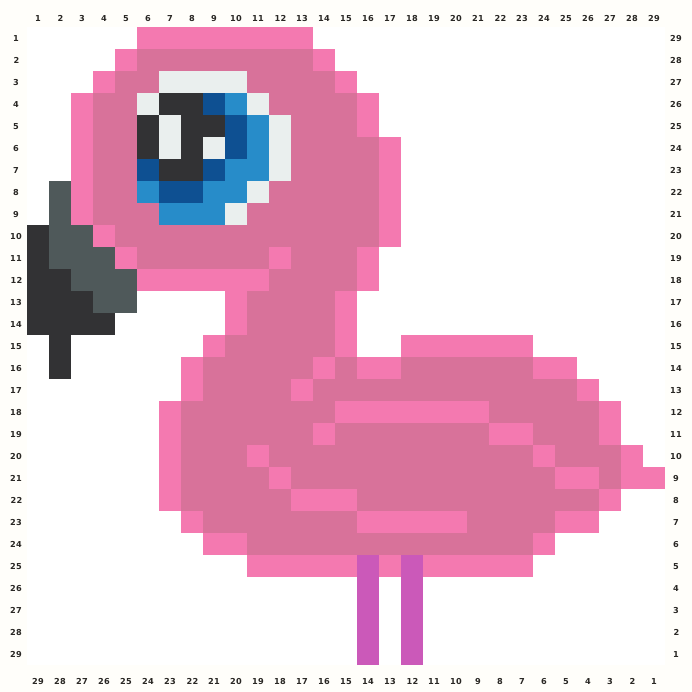
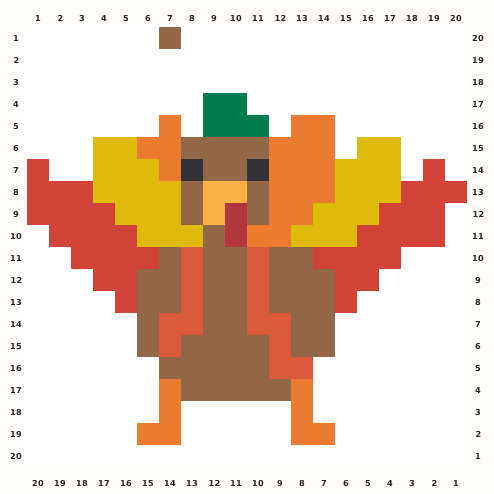
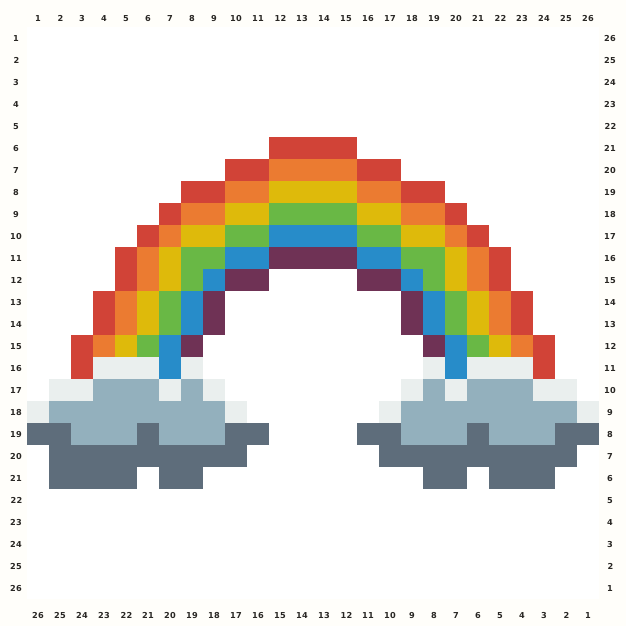
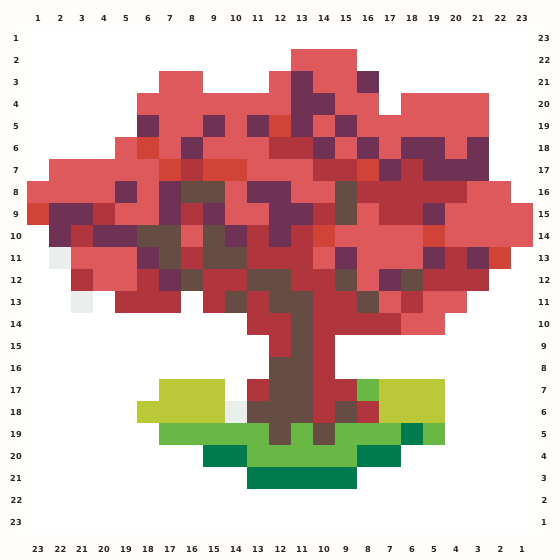
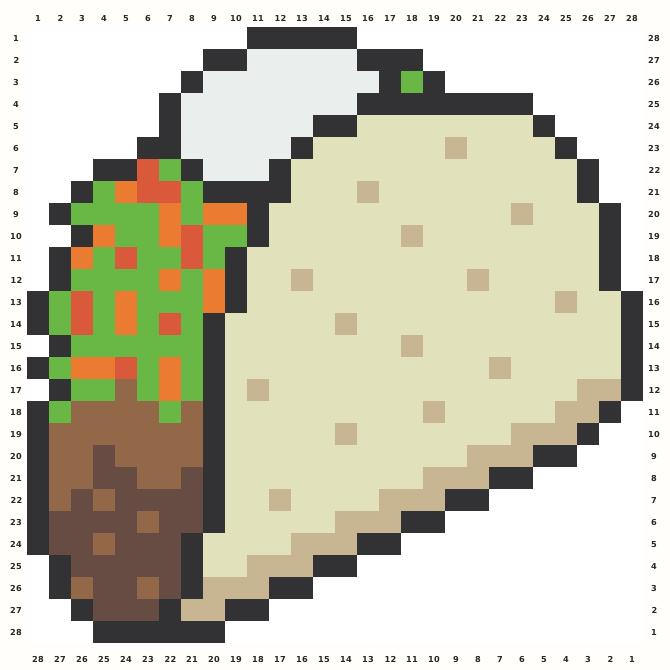
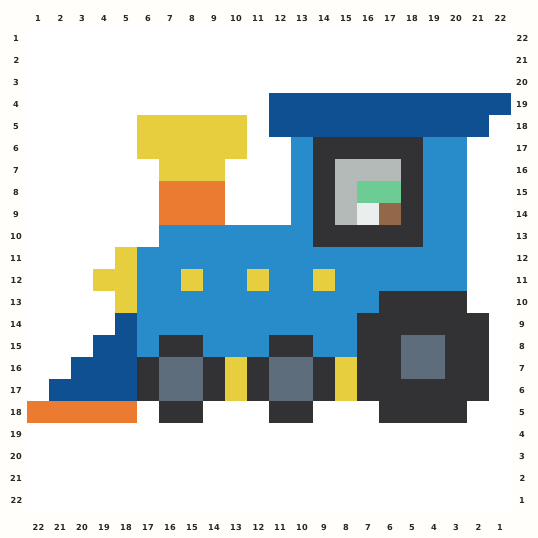
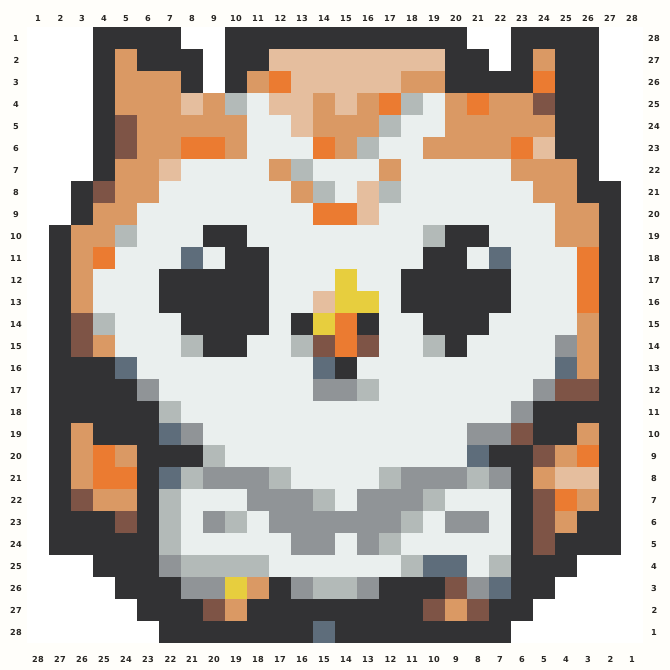
Choose from 88 free small Perler bead patterns: tiny animals, mini food and more. Each chart fits one standard 29×29 Midi pegboard. Edit online and export a printable PNG or PDF.
Sorted by fewest Perler colors, then fewest beads. Category filters keep that order, so low-color beginner picks stay first. Open a favorite to inspect its chart and material list, then choose Edit Pattern to load the exact grid into the editor. Every complete chart includes four-way coordinates and clean color blocks without text inside the filled cells.
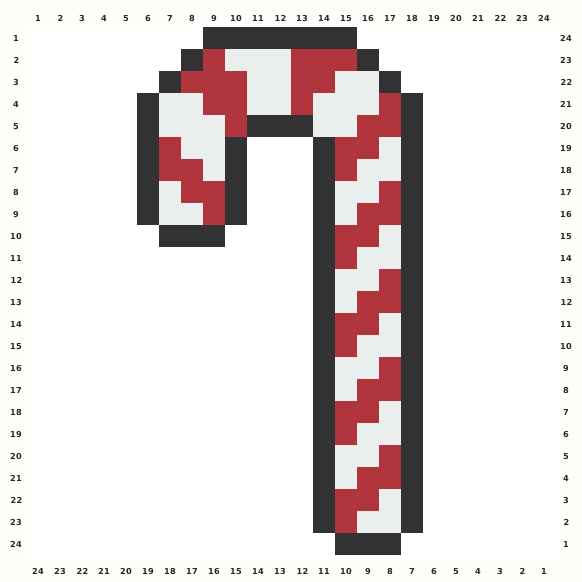
For seasonal ornaments or gift tags, compare the small grids, bead counts and colors in our Christmas Perler bead patterns.
These 5 designs sit outside the small one-board collection. Use them when you have space for a connected layout; the complete grid, including blank guide margins, determines board fit.
Why These Small Perler Bead Patterns Work for Beginners
Small Perler bead patterns make it easier to practice counting, color placement and ironing without committing to a large board. The main collection keeps every design within one standard board while still giving animals, food, nature, seasonal ideas and simple symbols enough detail to read clearly.
Start with one small Perler bead pattern
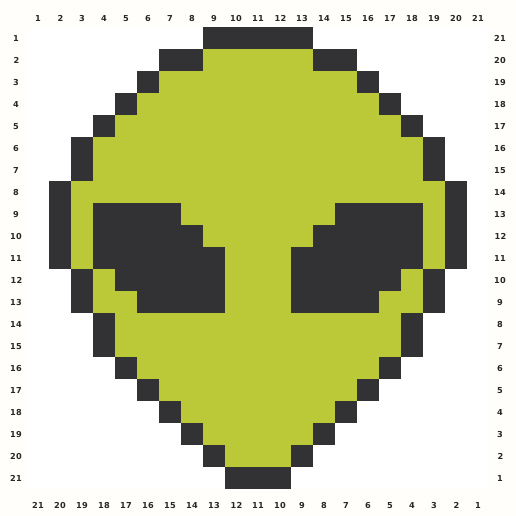
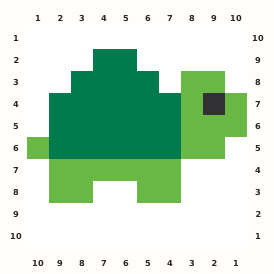
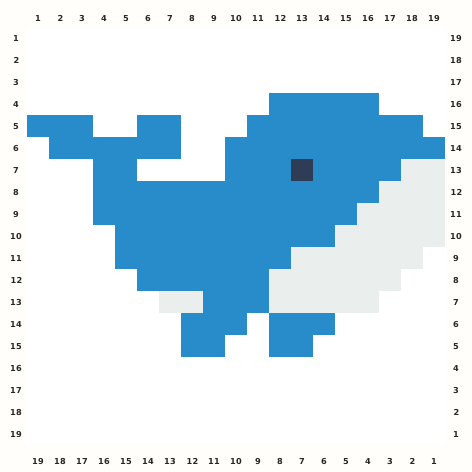
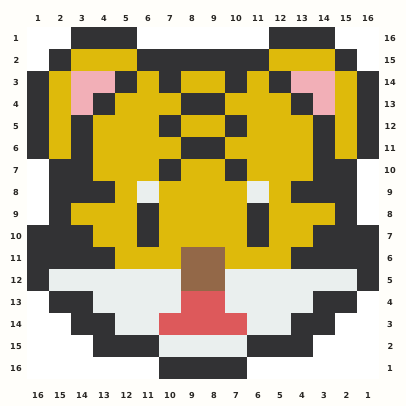
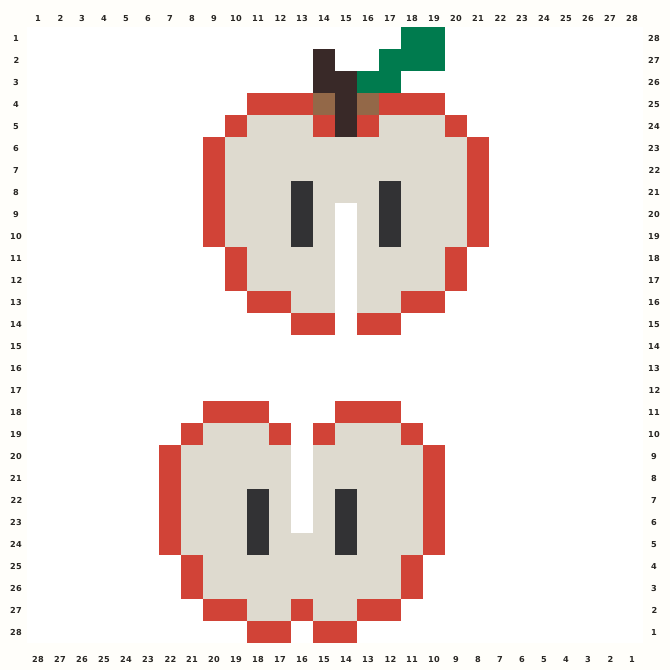
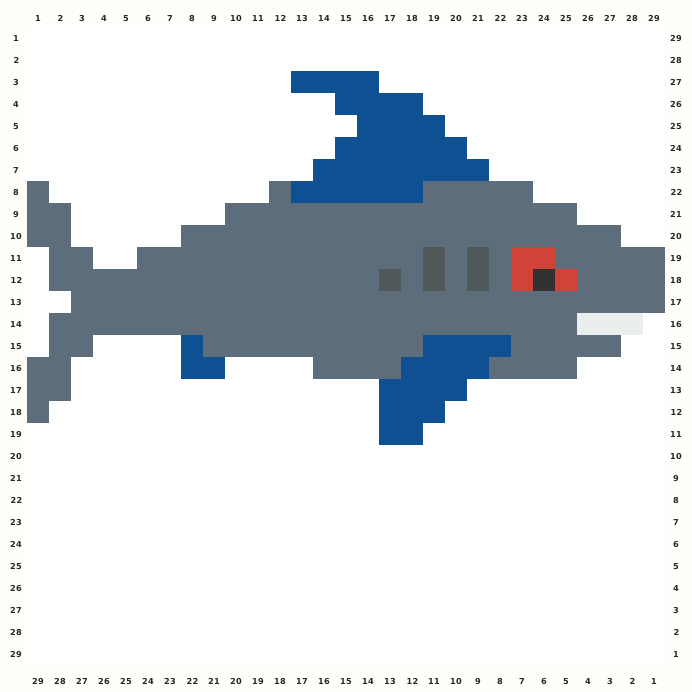
Every chart in the main collection fits one standard 29×29 square pegboard, including its blank coordinate margins. A strong silhouette helps you keep your place, while repeated color blocks reduce accidental swaps. Try Green Turtle for a tiny build, Baseball for a compact sports motif, Alien for a two-color face, or Shark for a fuller 29×29 ocean scene. A one-board footprint describes the space you need, not how easy a narrow tail or a close pair of shades will be to build.
Compare small Perler patterns by bead count
The one-board patterns use 45–670 beads and 2–13 Perler colors. Compare both numbers: a wide two-color outline and a dense multi-color face require different sorting and counting. Small describes board fit, not a promised completion time. Each card uses the same merged Perler codes as the detail-page material list; switching brands can merge or separate colors. Check the updated list before buying or sorting beads.
Customize every small Perler bead pattern
Opening a design loads the same grid shown in its coordinate chart into the free editor. You can replace colors with beads already in your box, erase cells, repair an outline or switch among Perler, Hama, Artkal, Nabbi and Mard planning palettes. When the small Perler bead pattern looks right, export a printable chart with coordinates, color codes or symbols and an exact material list. Always compare screen colors with physical beads before a final build.
Labels and counts
How to Read Small Perler Bead Pattern Labels
Subject labels are editorial categories. Low-color picks follow the same color-first, bead-count-second order as the collection. Fewer colors mean less sorting, but check the outline and narrow details before choosing your first project. Grid size includes blank guide margins, and bead totals count occupied cells. Perler color totals merge source roles that map to the same manufacturer code. Each full chart is rendered one-to-one from its published grid, with four-way coordinates and uncluttered color blocks inside the grid.
Choose a subject and check its exact grid size, bead total and number of colors.
2
Edit your small Perler pattern
The selected grid loads into the homepage editor. Recolor it, erase cells or switch between Perler, Hama, Artkal, Nabbi and Mard palettes.
3
Print the small Perler pattern
Export a pattern sheet with grid coordinates, color codes or symbols, plus an exact material list.
Small Perler Bead Pattern FAQ
How small are these Perler bead patterns?
88 of 88 designs fit one standard 29×29 square Midi pegboard. All charts in this main collection fit one standard 29×29 square Midi pegboard, including blank guide margins.
Can I change the colors before printing?
Yes. Open any pattern in the editor, switch bead brands, paint individual cells, limit the palette to colors you own, and export a new printable guide.
Where do these patterns come from?
This collection contains 16 original pattern entries and 72 traceable reference rebuilds. Original designs carry their own usage license on the detail page. Source records for reference rebuilds document their input; they do not grant source-site endorsement or commercial permission.
How do I read the coordinates around each chart?
The numbers around all four edges are row and column coordinates. The top and left axes count forward, while the bottom and right axes count in reverse so you can follow the pattern from either direction. Colored cells are intentionally left clear without printed codes.
Can I use mini beads instead of standard beads?
Yes. The grid stays the same; only the physical finished size changes. Use the correct mini-bead pegboard and follow its manufacturer’s ironing instructions.
Make More Small Perler Bead Patterns
Browse editable animal grids, explore sports and seasonal motifs, upload any photo or pixel art, or build a row-based friendship bracelet chart.
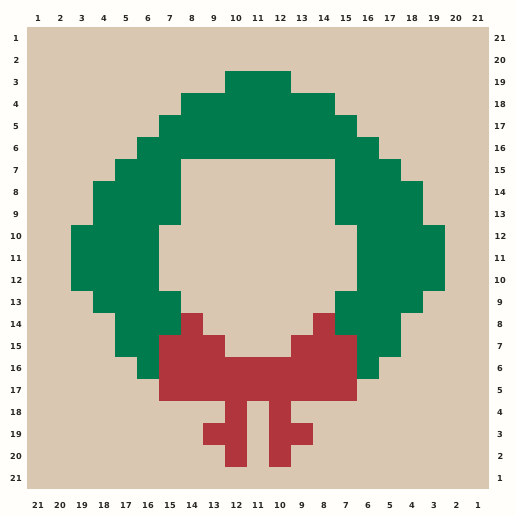 Ribbon Wreath
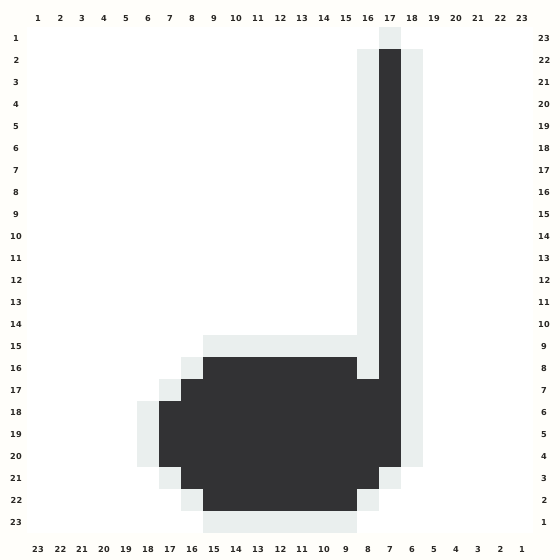 Music Note