Animals · reference rebuild
Lizard Perler Bead Pattern
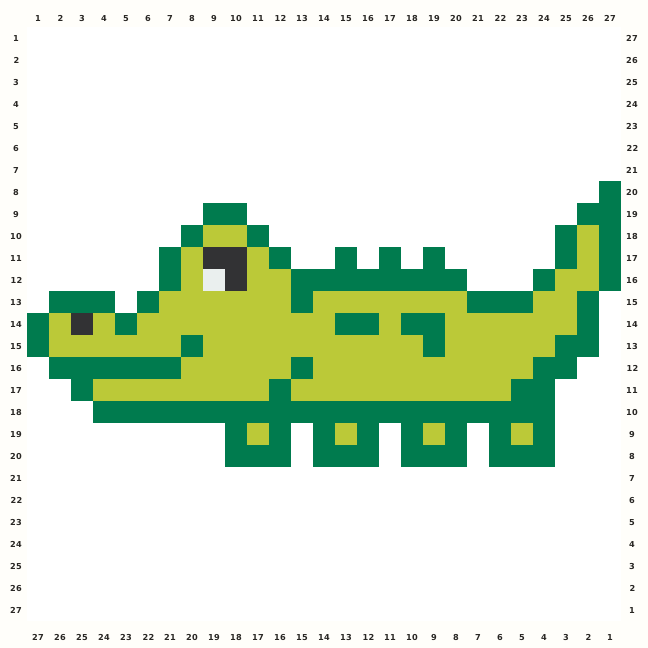
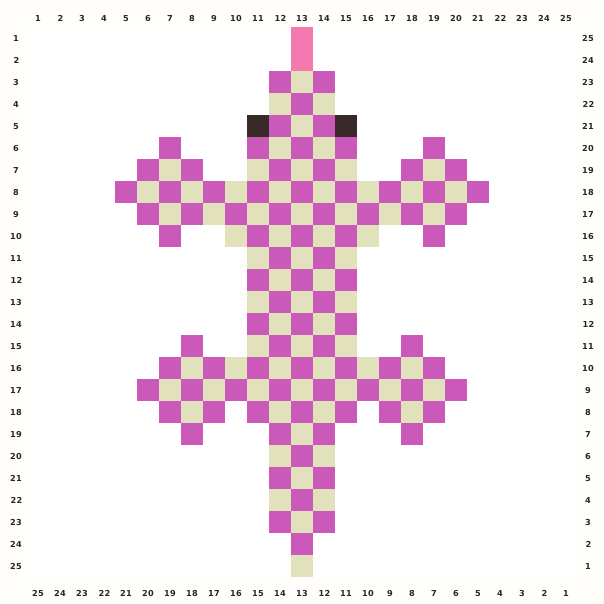
A full-body bead lizard uses a purple spine, cream belly, splayed feet and a narrow tail inside a tall square chart.
Edit this pattern online and export a PNG or print-ready PDF for free.
Perler palette · codes hidden · closest screen-color matches
Beige cells are empty pegs; white cells are beads. Brand codes use the closest CIE76 screen-color match from this source palette. Check important shades against physical beads before building.
Perler bead material list
Exact per-color counts for the 25×25 grid, so you can sort cups before you start. Switch the brand above to remap codes, colors and totals on this page.
- Cotton Candy
P2422 beads - Fuchsia
P25785 beads - Creme
P0268 beads - Cocoa
P2622 beads
Making notes
Follow the tall centerline from the raised head through the alternating feet. The four side-padding columns are normalization space; protect the two dark joints, tiny pink toes and the final one-cell tail tip when transferring the chart.
This page is for makers searching for a small lizard Perler bead pattern with a full body, four splayed feet and a long tail. The 25×25 normalized chart keeps the public pose readable while leaving a practical one-board margin for editing and export.
Start at the raised head and neck, then follow the purple spine down the center. Build each front and rear foot outward from its two-cell joint, fill the cream belly between the limbs, and finish the narrow tail tip only after the body axis is straight. The lizard's legs alternate above and below the body and are not interchangeable copies. Preserve the pink toe pixels at rows 6, 15 and 18, keep the cream center column continuous through the torso, and maintain the four-cell side padding added during normalization.
Pattern layout and bead count
The source active area is 17×25, so the final editor matrix adds four blank columns on both left and right to form 25×25. All 157 occupied cells remain in their original rows and orientation; the square fits one standard 29×29 board. Checkpoints: Rows 1–5: anchor the single pink head bead, cream neck steps and the two dark joint pixels without filling side padding. Rows 6–10: compare the first pair of splayed feet and preserve the cream spine between each purple side branch. Rows 15–18: verify the offset rear feet, pink toe accents and the one-cell gaps under the belly. Rows 20–25: follow the narrowing tail to its cream terminal bead; all four normalization columns on each side stay blank.
Ways to customize this pattern
Recolor the purple body toward teal, orange or moss while keeping the cream belly lighter. A single accent swap can make a desert or rainforest edition, but the four feet, centerline and tail taper should remain exactly placed.
Fuchsia Purple supplies 85 body beads, Cream Belly 68 cells, Pink Tips two accent beads and Cocoa Joints two dark connectors. Keep the cream value separate from the blank grid and retain a clear purple-to-cream contrast when choosing another Brand.
Print and iron checklist
The feet, toe ends and tail tip are thin branches with little support, while the cream belly is a larger connected field. Fuse each limb from its joint toward the toes, use brief passes on the tail, and cool flat before lifting from the center body. Before export, verify the 25×25 coordinates, 157-bead total and the selected brand’s merged color counts against the on-page material list.
Project ideas for Bead Lizard
The tall lizard silhouette suits a keychain, science-fair reptile marker, pencil-case patch, summer camp favor or terrarium label. Support the piece behind the torso or shoulder bridge, not at a one-bead toe or the final tail cell, and keep labels outside the matrix.
The source grid uses m and the other design symbols only as internal color roles. The interactive chart replaces them with the selected manufacturer codes, while its material list combines any roles that map to the same bead color.